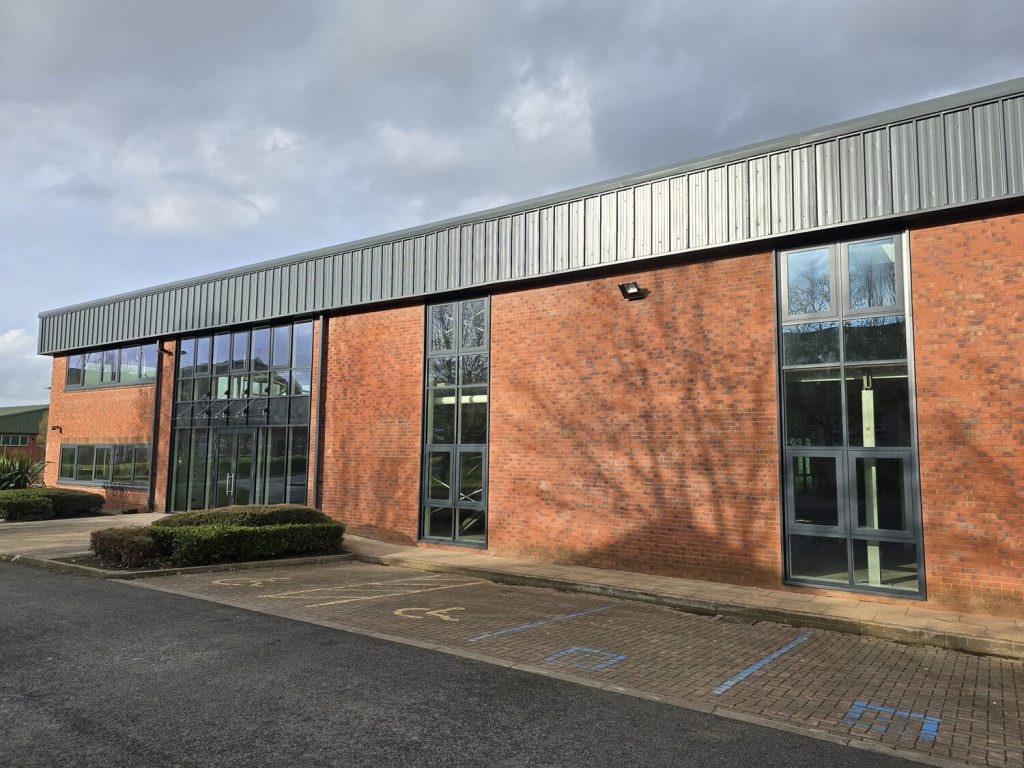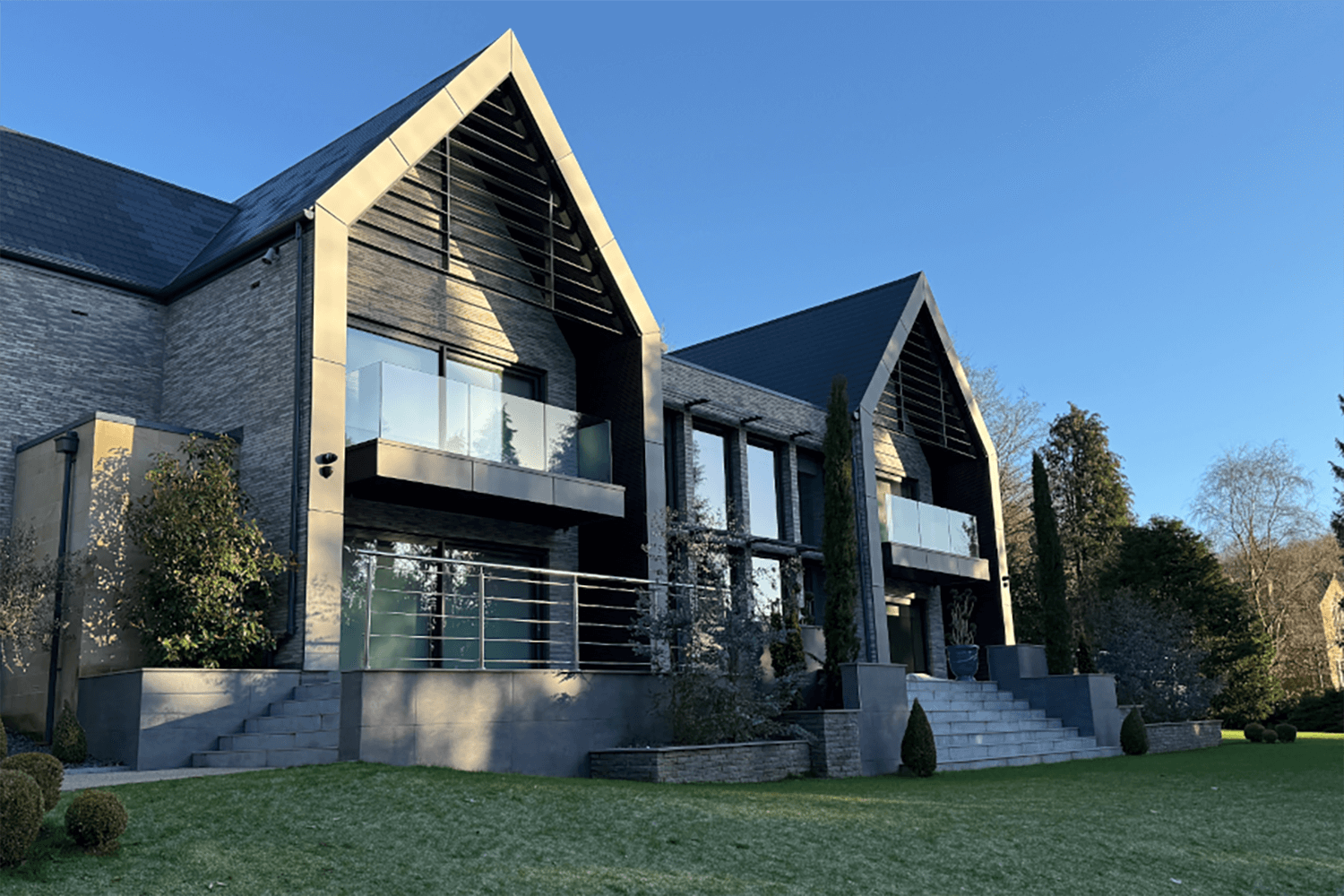
Most projects use a combination of glass types rather than one product. A glazed unit may include toughened or laminated glass, a specialist coating and a sealed or tested system.
Together, these elements can provide safety, thermal and solar-control performance. This guide explains the main glass types used in UK building projects and where each may be suitable.
How building glass is specified
Almost every specification is built in four steps:
- The base glass. Nearly all architectural glass starts as annealed float glass. On its own it has no safety classification and it breaks into large sharp shards
- The treatment. Heat treatment or lamination changes how the glass behaves under load and how it breaks. This is where toughened and laminated glass come from.
- The coating. A low-emissivity, solar control or self-cleaning coating is applied to the surface of a pane. A coating is not a glazing configuration. It works alongside the build-up, not instead of it.
- The assembly. The panes are then combined into a sealed insulating glass unit, manufactured to BS EN 1279, or built into a tested fire-resisting system. The overall thermal and acoustic performance depends on the complete glazed unit, frame and installation.
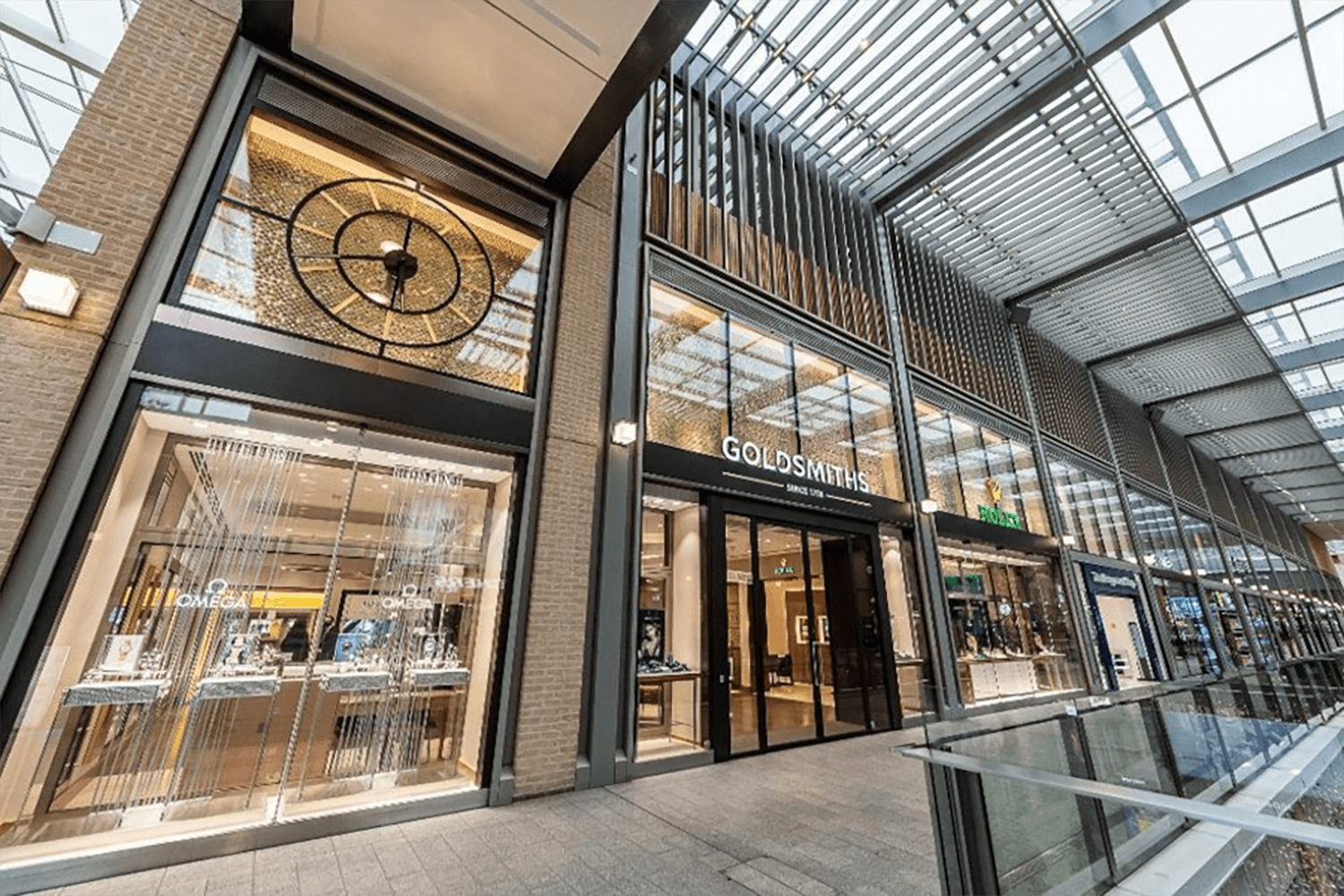
The main glass types at a glance
| Glass type | Main purpose | Common applications |
|---|---|---|
| Toughened | Impact safety and strength | Doors, shopfronts and large panels |
| Laminated | Retains fragments after breakage | Balustrades, overhead and security glazing |
| Low-E | Reduces heat loss | Insulating glass units |
| Triple glazing | Improves thermal performance | Highly insulated buildings |
| Self-cleaning | Reduces cleaning requirements | Rooflights and hard-to-reach glazing |
| Acoustic | Reduces transmitted sound | Roadside elevations and internal partitions |
| Fire-resisting | Provides tested fire performance | Protected routes, partitions and screens |
Toughened and laminated safety glass
Toughened and laminated glass are both safety glass, but they behave differently when broken.
Toughened glass is heat-treated for additional strength and breaks into small granules, reducing the risk of serious cutting injuries but leaving the opening clear. Laminated glass bonds two or more panes with an interlayer that holds the fragments in place after breakage.
Impact safety is classified under BS EN 12600. Approved Document K identifies critical locations including doors and side panels up to 1500mm from floor level, and walls and windows up to 800mm. The correct specification depends on the position, loading and risk.
Toughened glass may suit openings that can safely remain clear after breakage. Laminated glass is generally considered where fragment retention is important.
Safety is not security. Safety glass is assessed by how it breaks after impact. Security glazing is tested for resistance to deliberate attack under BS EN 356. Laminated glass may form part of a security specification, but lamination alone does not provide a security rating.
Low-E, solar-control and self-cleaning coatings
Glass coatings change how a pane manages heat, light or dirt without changing the glazing configuration.
Low-emissivity coatings reflect long-wave heat into the room, improving the thermal performance of a glazed unit. Performance depends on the coating type, its position and the complete unit specification.
Solar-control coatings limit solar energy entering the building, measured by the g-value. The required performance depends on the elevation, glazed area and overheating risk.
Self-cleaning coatings use daylight to break down organic dirt, while rainwater carries it away. They are useful on rooflights and hard-to-reach glazing, but require rain and a suitable pitch, typically at least 10 degrees. They reduce cleaning rather than eliminate it.
Double and triple-glazed units
An insulating glass unit comprises two or three panes separated by a spacer, sealed at the edge and usually filled with argon. Units are manufactured to BS EN 1279, which covers edge seals and gas retention over time. The finished performance depends on the glass and frame working together, as explained in our guide to curtain walling.
Triple glazing isn’t automatically better. It lowers the U-value but adds weight and thickness, which must be accounted for in the frame and hardware. It may also offer little acoustic benefit when all three panes are the same thickness. On many projects, a well-specified double-glazed unit in the right system is the better choice.
Acoustic glass
Acoustic glazing often uses laminated glass with an interlayer designed to damp vibration, combined with panes of different thicknesses. Two identical panes can resonate at the same frequencies and reinforce each other.
Sound reduction is quoted as an Rw value in decibels, often with a Ctr adjustment for low-frequency noise such as urban traffic. If the problem is a main road, Ctr is the figure that matters.
No glass is soundproof. What a finished installation achieves depends on the glass and the pane thicknesses, and equally on the frame, the seals, any trickle vents and the surrounding construction. Acoustic glass makes a measurable difference. It does not make a room silent.
Fire-resisting glazed systems
This is where language matters most, because fire performance does not belong to the glass alone.
Fire resistance is classified under BS EN 13501-2 by a letter and time in minutes. E means integrity, holding back flames and hot gases. EW also limits radiated heat, while EI adds insulation by limiting heat transfer to the unexposed face. An E30 screen and an EI30 screen are therefore not interchangeable.
The classification applies to the complete tested assembly, including the glass, frame, beads, seals and fixings. Fire-resisting glass installed in an untested frame does not retain the rating. A 30-minute rating belongs to the system, not the pane.
Impact safety and fire classification are separate. Toughened glass is not fire-rated simply because it is toughened. Traditional wired glass can provide fire integrity, but its impact performance must be classified separately.
Choosing glass for different applications
Shopfronts and entrances.
Glazing in critical locations must meet the relevant safety requirements, with the choice between toughened and laminated often turning on whether the elevation needs to remain closed after an impact. Security is a separate assessment again. See aluminium shopfronts.
Curtain walling and large facades.
Coated double or triple glazed units, with glass and framing considered together rather than in sequence. Orientation, glazed area and solar gain all feed into the specification. See commercial curtain walling.
Balustrades.
The key question is what the barrier does after a pane breaks, which is why fragment retention matters and laminated glass is commonly specified. Loadings depend on occupancy, fall height and fixing detail, so the glass follows from the structural design rather than leading it. See glass balustrading.
Overhead and sloped glazing.
Glass above head height needs to be assessed for what happens if a pane fractures, since falling glass is the risk. Retention of the broken pane is normally central to that assessment, and the build-up follows from it.
Internal partitions.
Acoustic and fire requirements drive the specification, and both depend on the framing as much as the glass. See internal glass partitioning.
Domestic doors and windows.
Safety glass in the critical locations, a coated insulating unit where thermal performance is the priority, and solar control where the elevation and glazed area justify it.
These decisions are easier early, which is why glass specification sits alongside system selection in our process rather than being settled after the drawings are signed off.
Frequently asked questions
Is toughened glass the same as tempered glass?
Yes. Tempered is the American term for the same product. UK drawings and specifications say toughened.
Is toughened glass fire-rated?
No. Impact safety and fire resistance are separate classifications, tested in different ways. Glass is fire-resisting only if it is a fire-resisting product installed in a tested system.
Is laminated glass better than toughened glass?
Neither is better. They fail differently. Toughened breaks into small granules and leaves the opening clear. Laminated cracks and stays in place. The choice depends on whether a broken pane falling out would be a problem.
Does acoustic glass stop noise completely?
No. It reduces transmitted sound, particularly low-frequency traffic noise when the panes differ in thickness. The frame, seals and surrounding construction affect what the glass can achieve.